Food processing pipelines are constantly exposed to moisture, cleaning chemicals, food acids, and temperature changes. 304 stainless steel sheet is used in these environments, as it offers strong corrosion resistance and is easy to clean, helping maintain hygiene and durability. Choosing the wrong specification can lead to pitting, contamination, or early equipment failure. This blog explains what to consider when selecting stainless steel sheets for food processing, from grade and finish to supplier reliability.
Why 304 Stainless Steel Is Widely Used in Food Processing
The 304 stainless steel has approximately 18% chromium and 8% nickel, which provides it with corrosion resistance to moisture and most food acids. The surface stays non-reactive, so it does not alter taste or contaminate the product. It cleans easily, forms well, welds well, and costs less than higher alloy grades while performing reliably in wet, high-contact environments. That balance is why fabricators keep specifying it for industrial stainless steel sheets in food plants.
Key Properties to Look for in a 304 Stainless Steel Sheet
A few properties decide whether a sheet performs long-term in food environments.
Corrosion Resistance
The sheet has to resist water, food acids, and cleaning agents without pitting or discoloring.
Hygienic and Non-Porous Surface
A non-porous surface avoids settling of bacteria into micro-gaps, reducing the risk of contamination.
Surface Finish Quality
Finish quality directly affects how well a surface sheds residue and survives daily sanitizing cycles.
Mechanical Strength and Durability
The sheet needs enough strength to handle mechanical loading and years of daily use without deforming.
Weldability and Fabrication Ease
Good weld characteristics are relevant for tanks and conveyors built from multiple sheet sections.
Temperature Resistance
The material has to hold its properties through repeated heating and cooling cycles.
Important Factors to Consider When Choosing a 304 Stainless Steel Sheet
Beyond base properties, a few practical factors shape the final selection.
Sheet Thickness Requirements
Thickness depends on structural load, equipment type, and how the sheet is formed.
Surface Finish Selection
No. 4 and BA finishes are common, and each suits different visibility and cleaning needs.
Food Contact Requirements
Sheets used in direct food contact areas need to meet food-grade material requirements.
Fabrication and Welding Needs
The sheet has to match whatever forming or welding process the equipment build calls for.
Cleaning and Sanitation Practices
The finish choice should support whatever sanitation routine the facility already runs.
Regulatory and Industry Compliance
The sheet must meet relevant food safety standards and project-specific requirements.
Common Food Processing Applications of 304 Stainless Steel Sheets
304 sheet shows up across most stages of food production.
Food Preparation Equipment
It is used daily at work tables, counters, and prep stations for direct handling of ingredients.
Storage Tanks and Containers
Tanks and containers hold ingredients and liquids without reacting with the contents.
Conveyor Systems
The conveyor surfaces must withstand constant movement and repeated washdowns.
Dairy Processing Equipment
Tanks and piping in dairy lines depend on consistent corrosion resistance.
Bakery and Beverage Production Facilities
Surfaces must be able to withstand heat and frequent cleaning in the ovens, mixers, and bottling lines.
Commercial Kitchen Installations
Kitchen equipment stays food-safe and easy to maintain under daily use.
Surface Finish Options for Food Processing Applications
Finish selection affects both hygiene and appearance.
No. 4 Finish
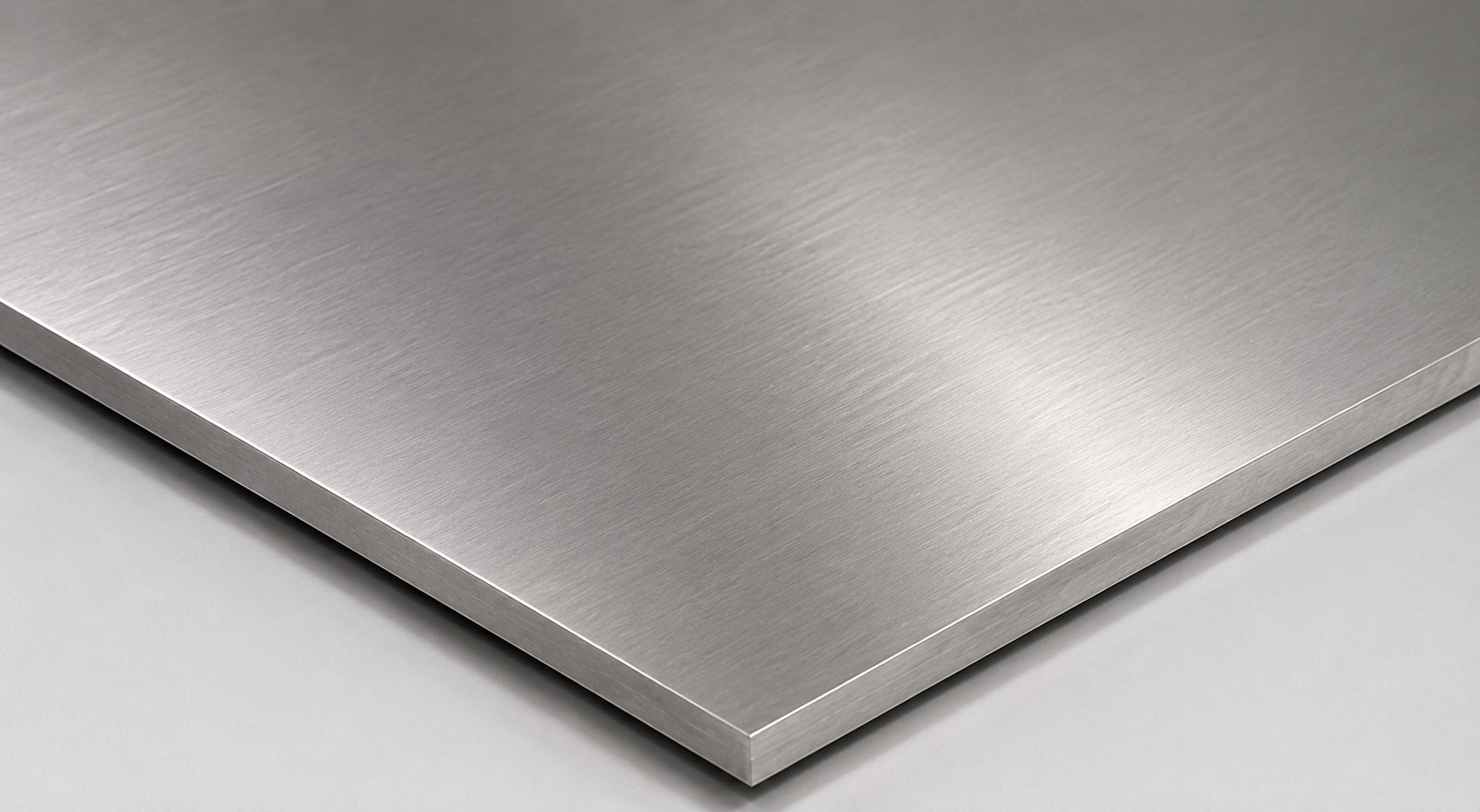
This brushed finish is the standard choice for most food equipment surfaces.
BA (Bright Annealed) Finish
BA finish gives a smooth, reflective surface with strong corrosion resistance.
Mirror Finish
Mirror finish suits applications where hygiene and visual presentation both matter.
Choosing the Right Finish
Match the finish to contact frequency, cleaning method, and the equipment’s visibility requirements.
Common Mistakes to Avoid When Selecting 304 Stainless Steel Sheets
Selection errors usually result from a few common mistakes.
- Choosing the wrong sheet thickness can cause structural problems or unnecessary material costs.
- Ignoring surface finish requirements can cause hygiene or cleaning problems later.
- Focusing only on price over quality shortens equipment life.
- Failing to verify material certification and traceability can create compliance gaps during audits.
- Failing to plan for cleaning and sanitation needs results in finishes that trap residue.
Quick Food Processing Sheet Selection Checklist:
- Thickness
- Surface finish
- Food contact suitability
- Fabrication requirements
- Certifications
- Supplier reliability
How to Choose a Reliable 304 Stainless Steel Sheet Supplier
A reliable 304 stainless steel sheet supplier will supply material certificates and complete material traceability for each batch of material. The same applies to the availability of food-grade finishes and standard sizes and in-house quality testing before dispatch. An inventory control system and reliable delivery dates ensure that the production processes are on schedule. Checking the supplier’s previous experience with food and hygienic production seems to be useful in understanding the practical demands. As a food-grade stainless steel sheet supplier, Sparsh Impex takes care of these factors.
Conclusion
Choosing the right 304 stainless steel sheet means matching corrosion resistance, hygiene, surface finish, and compliance to the actual application. Getting the specification wrong shows up later as contamination risk or equipment downtime. Sourcing from a supplier that provides proper certification and consistent quality removes most of that risk. For maintaining high-quality, food-grade, select SS 304 sheets to ensure safety, hygiene, and reliability over the long term.t