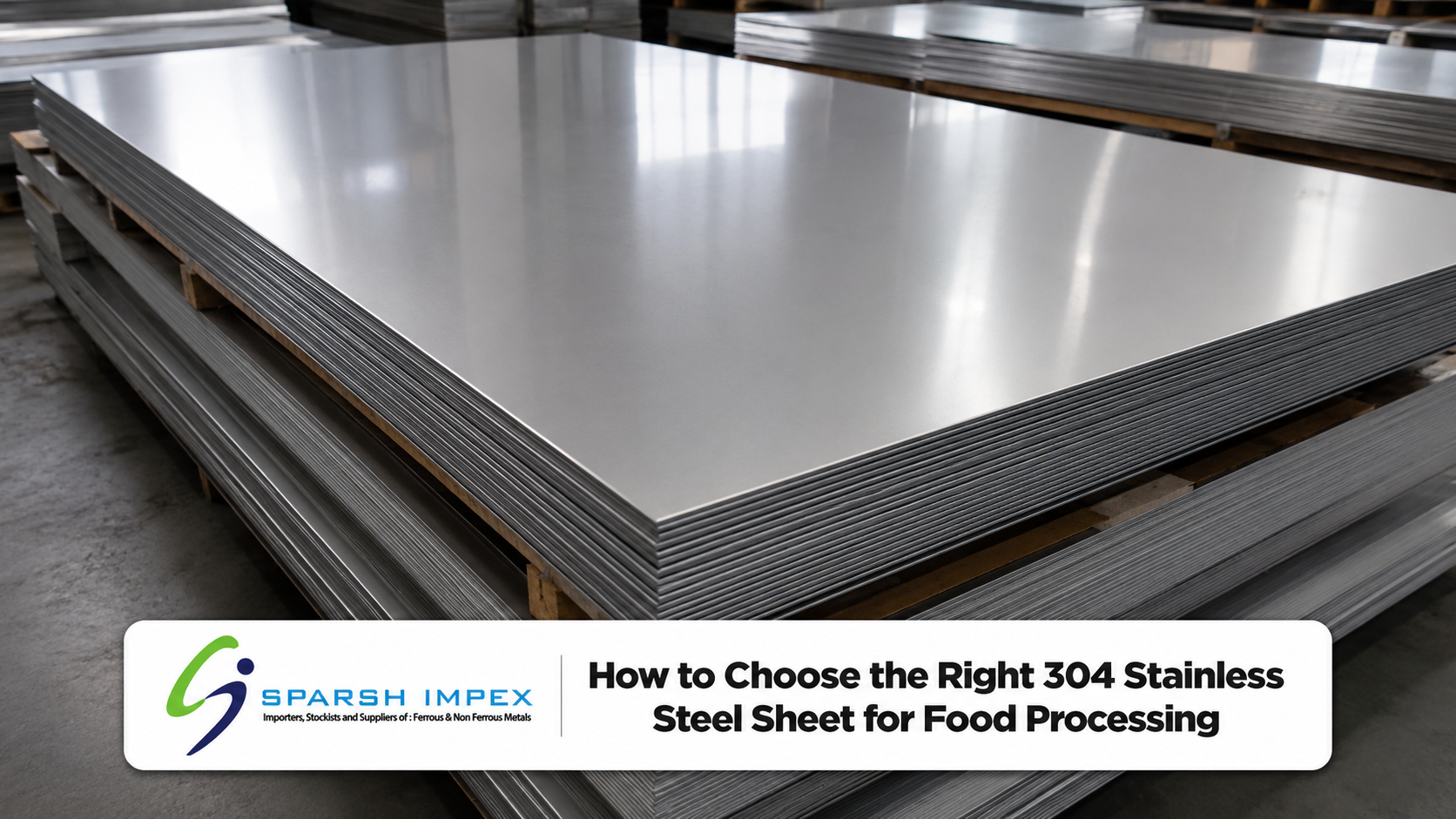
Stainless steel 321 is a heat-resistant and corrosion-resistant alloy used in many industries, including aerospace, food, and chemical. Selecting the right stainless steel 321 sheets is vital for your application, as it can impact your chosen apparatus’s durability, strength, and effectiveness. However, with so many options in the market, it can be overwhelming to choose the right one. This blog post will provide insights into choosing the right Stainless Steel 321 Sheets for your application.
What Are Stainless Steel 321 Sheets?
Stainless steel 321 sheets are titanium-stabilised austenitic sheets built to resist intergranular corrosion after welding or sustained heat exposure. Titanium, added at a minimum of five times the carbon content, binds carbon before it forms chromium carbides at grain boundaries between 425°C and 815°C. Chromium stays in solution, so the heat-affected zone keeps its corrosion resistance after fabrication. Chemical plants, heat exchangers, exhaust systems and furnace components use this grade for exactly that reason. To review recommended welding parameters, forming limits, and fabrication guidelines, read our guide to stainless steel 321 sheets.
Factors to Consider while Choosing Stainless Steel 321 Sheets
Understand the Different Grades of Stainless Steel
Grades of stainless steel are mainly classified based on their respective properties. Therefore, knowing the different grades is essential when selecting the right stainless steel 321 sheets for your application. The most common types of stainless steel include 304, 316, and 321. Stainless steel 321 has higher corrosion resistance and is heat-resistant compared to others. They provide excellent resistance to corrosion by chemicals, organic and inorganic compounds, and even to aqueous salt solutions.
Consider the Physical Properties
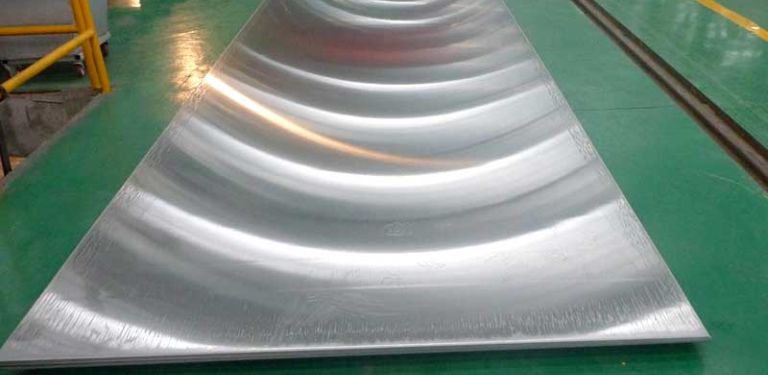
Before selecting a particular sheet of stainless steel 321, it’s essential to identify the physical properties that meet your application requirements. Key physical properties involve the thickness, width, length, and tolerance. Based on your application, select a thickness that can withstand the anticipated stress your apparatus is expected to handle. The width and length can also highly impact the functionality of your system. Ensure that you choose a sheet that suits the dimensions of your project.
Consider the Surface Treatment
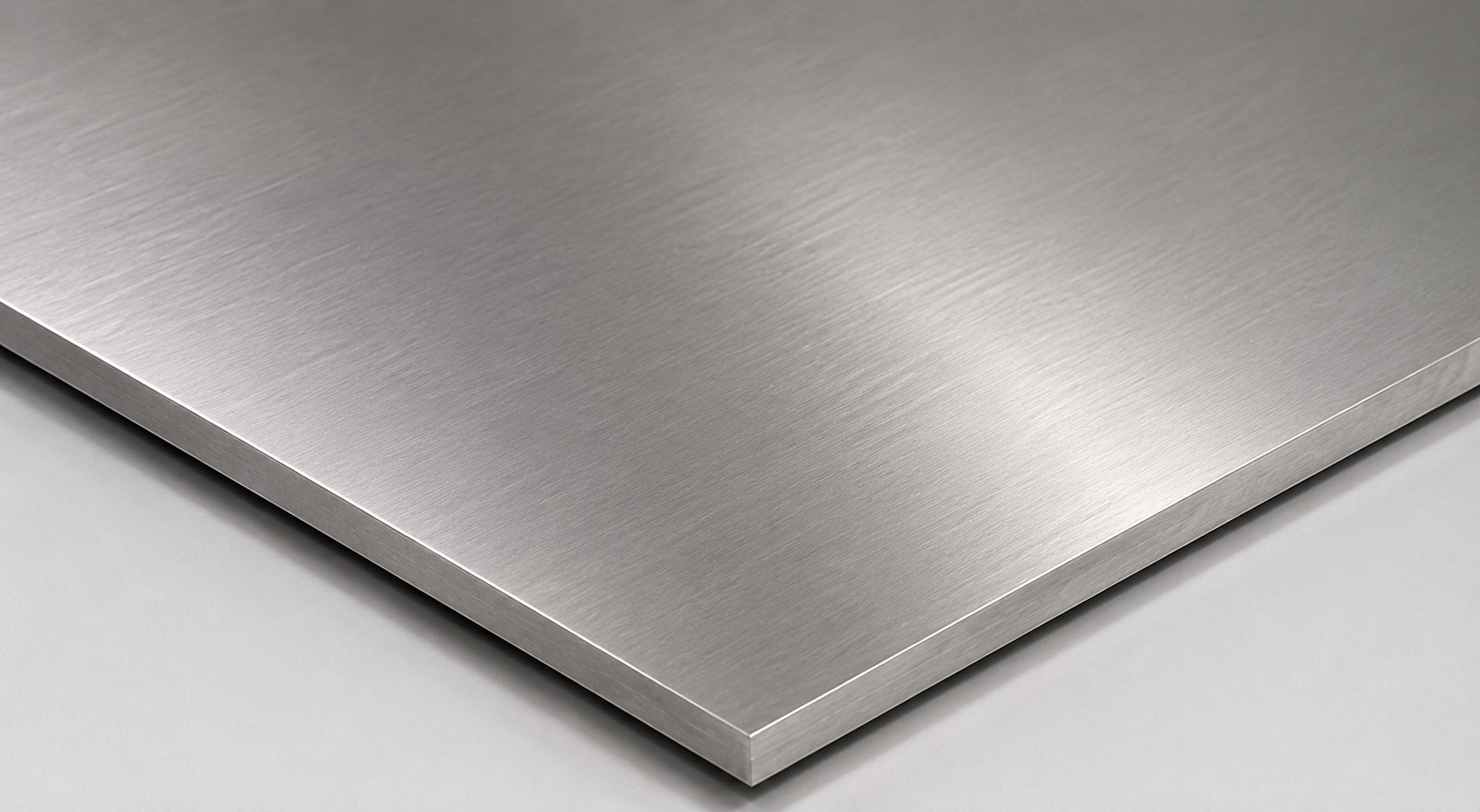
Several surface treatments can be applied to stainless steel 321 sheets to provide additional attributes such as rust resistance, aesthetic appeal, and increased durability. Before selecting your ideal stainless steel sheet, it’s crucial to comprehend the primary utilization of the system and select the appropriate surface treatment that enhances the longevity and performance of the sheet.
Choose the Right Supplier
Choosing the right supplier of stainless steel 321 sheets is vital in ensuring you get high-quality sheets that meet your application requirements. A good supplier should have a wide variety of stainless steel sheets and be knowledgeable about the properties and applications of each product. Your preferred supplier should also offer excellent customer support and fast delivery time.
Consider the Cost
While the cost of the stainless steel 321 sheet is not the only factor to consider, it is essential when choosing the right product. Your budget may significantly impact your selection process; however, choosing a less expensive stainless steel sheet may compromise quality and reliability. Therefore, it’s crucial to balance cost and quality considerations when selecting.
How Does Stainless Steel 321 Perform at High Temperatures?
321 sheets resist continuous oxidation up to 870°C and short-term exposure to 925°C without scaling. Titanium stabilisation is what separates this grade from 304 in the 425°C to 815°C range, where unstabilised steels lose chromium to carbide formation along grain boundaries. 321 avoids that loss. This matters most for welded assemblies exposed to repeated thermal cycling, such as exhaust manifolds, expansion bellows and furnace parts, where post-weld heat treatment is often impractical. Creep and stress-rupture strength also exceed 304 and 304L at elevated temperatures, which is why boiler and superheater supports specify 321 over the standard grade. Sensitisation risk drops above 815°C regardless of stabilisation, so design margins should still allow for scaling and reduced strength near the top of the service range.
Technical Parameters of Stainless Steel 321 Sheets
The values below reflect ASTM A240 minimums and Sandmeyer Steel reference data for 321 in the annealed condition.
Mechanical Properties
- Tensile strength: 515 MPa (75,000 psi) minimum
- Yield strength (0.2% offset): 205 MPa (30,000 psi) minimum
- Elongation: 40% minimum in 50 mm
- Hardness: 217 HB maximum for plate, 95 HRB maximum for sheet and strip
- Modulus of elasticity: 193 GPa (28.0 x 10⁶ psi)
Physical Properties
- Density: 7.92 g/cm³ (0.286 lb/in³)
- Melting range: 1398°C to 1446°C (2550°F to 2635°F)
- Thermal conductivity: 16.0 W/m·K at 100°C
- Specific heat: 500 J/kg·K (0.12 BTU/lb·°F)
- Electrical resistivity: 72 microhm-cm at 20°C
- Coefficient of thermal expansion: 16.6 x 10⁻⁶/°C between 20°C and 100°C
Stainless Steel 321 vs 304 vs 316: Which Grade Should You Choose?
| Property | SS 321 | SS 304 | SS 316 |
| Stabilising element | Titanium, min. 5x carbon | None | None |
| Alloy additions | 17-19% Cr, 9-12% Ni | 18-20% Cr, 8-10.5% Ni | 16-18% Cr, 10-14% Ni, 2-3% Mo |
| Resistance to intergranular attack after welding | High | Low without post-weld treatment | Low unless low-carbon 316L is used |
| Chloride and pitting resistance | Similar to 304 | Moderate | Higher, due to molybdenum |
| Typical service | Furnace parts, exhaust systems, expansion joints | General fabrication, food equipment | Marine hardware, chemical and pharma equipment |
304 sheets work for equipment that stays below 425°C and sees no heavy welding in service. 316 suits chloride-heavy environments such as coastal plants or pharmaceutical lines. 321 fits welded assemblies cycling through the 425°C to 815°C carbide range, where titanium keeps corrosion resistance intact without a stress-relief anneal.
Common Mistakes to Avoid When Buying SS 321 Sheets
- Ordering standard 321 for service above 550°C without checking whether 321H, with its higher 0.04-0.10% carbon range, is needed for creep strength
- Skipping the mill test certificate check for titanium content, since a low Ti:C ratio undermines the stabilisation the grade is bought for
- Assuming 321 and 304 are interchangeable to save cost, without confirming the equipment’s actual operating temperature range
- Accepting sheets without thickness and flatness tolerance verified against ASTM A480
- Ordering by grade name alone and skipping heat number and traceability documentation needed for pressure equipment or aerospace use
- Overlooking surface finish requirements, since 2B and No. 1 finishes behave differently during forming and welding
Choosing SS 321 Sheets Based on Your Application
Match the grade to the operating temperature first. Equipment that welds through the 425°C to 815°C range, such as exhaust systems, expansion joints and chemical reactors, needs 321 for its resistance to carbide precipitation in the heat-affected zone. Furnace components and boiler supports benefit from their higher creep and stress-rupture strength compared with 304. Where the environment involves prolonged exposure above 550°C, 321H, with its tighter carbon range, offers better long-term strength retention. For applications at moderate temperatures without repeated welding cycles, 304 sheets meet the requirement at a lower cost.
Conclusion:
Choosing the correct Stainless Steel 321 sheets is essential to ensure long-term performance, high-temperature stability, and optimal functionality for your project. By evaluating key factors such as material grade, mechanical properties, surface finishes, and cost-effectiveness, you can make an informed decision tailored to your specific application requirements.
Ready to elevate your project with top-grade materials? Contact Sparsh Impex today to discuss your requirements or request a custom quote!