
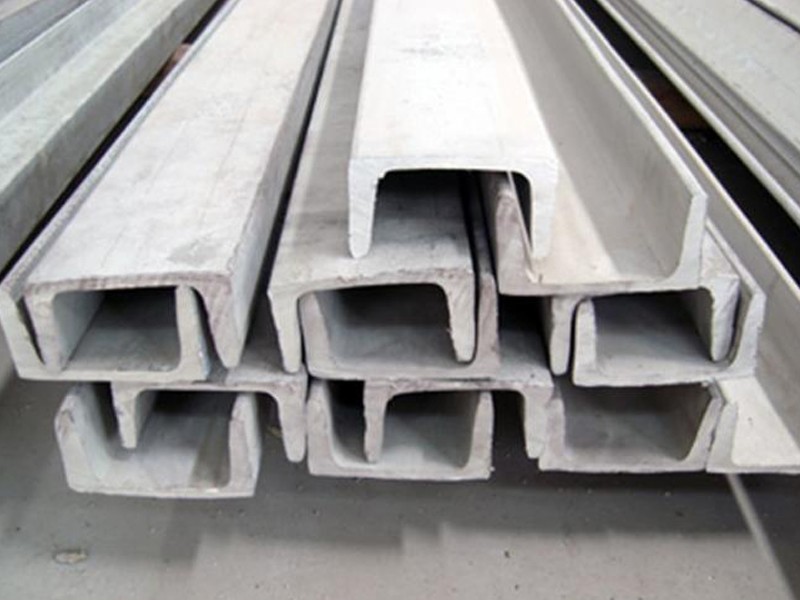
Buildings built today need to last for many years. To do that, builders need materials that won’t break down in bad weather or when they are heavy. Engineers and contractors now use stainless steel 304L channels as a standard building block. These C-shaped beams are the main support for a lot of projects, like tall office buildings and factories. This article looks at why these channels are so popular and where you will see them used most often in the building industry.
What Are Stainless Steel 304L Channels?
A stainless steel channel is a structural bar with a C-shaped cross-section. It has a flat back called a “web” and two parallel extensions called “flanges.” When we talk about the “L” in 304L, it stands for “low carbon.” This small change in chemistry makes a big difference in the field. Because it has less carbon, the metal is much easier to weld and less likely to rust near the joints. In construction, where pieces are often welded together on-site, this makes 304L stainless steel channel a very practical choice.
Key Properties of Stainless Steel 304L Channels
Several specific traits make these channels work well for building projects.
Excellent Corrosion Resistance
Rust is harmful for any building. SS 304L channels don’t rust when it rains, is humid, or comes into contact with common chemicals. This is very important on construction sites where metal might be outside for months before the building is finished.
High Strength and Structural Stability
Buildings have to carry a lot of weight. These channels are rigid and stay straight even under heavy pressure. They don’t warp or bend easily, which ensures the walls and floors they support stay level and safe over time.
Superior Weldability and Fabrication
Standard stainless steel can sometimes become brittle after welding. The low carbon in 304L prevents “carbide precipitation.” This means the area around the weld stays strong and rust-resistant. For crews building complex frames, this makes the job faster and the results more reliable.
Low Maintenance and Long Service Life
Once these channels are installed, they don’t need much care. You don’t have to paint them constantly to prevent rust like you do with carbon steel. They can last for decades, which is exactly what owners want for their property.
Importance of SS 304L Channels in Construction Projects
Construction teams choose stainless steel channels for construction because they balance safety and cost. In commercial and residential buildings, safety is the top priority. Using a material that won’t rot or weaken ensures the structure remains sound. These channels are also very adaptable. They fit into many different designs, whether the project is a simple warehouse or a high-end apartment complex.
Common Applications of SS 304L Channels in Construction
These metal tracks are used in almost every part of a modern building. Here are the most frequent uses:
Structural Frameworks and Support Systems
These channels often act as the “bones” of a structure. They are used for ceiling supports, wall studs, and floor joists. Because they are strong but not overly heavy, they help create a stable frame that supports the rest of the building materials.
Commercial and Industrial Buildings
In places like malls, factories, and warehouses, the environment can be tough. Industrial buildings might have chemicals or heavy moisture in the air. SS 304L channels are used for equipment racks, conveyor supports, and heavy-duty shelving because they won’t degrade in these conditions.
Infrastructure and Public Works
Public projects like bridges, pedestrian walkways, and transit stations use these channels for safety railings and structural bracing. They are perfect for outdoor use where they have to face wind, rain, and snow every day.
Architectural and Interior Structural Elements
Sometimes, the structure is meant to be seen. Architects use these channels for modern stairs, glass wall supports, and decorative facades. They look clean and shiny while still doing the heavy lifting of holding up the glass or stone panels.
Comparison with Other Channel Materials
Choosing the right material often comes down to a comparison of cost and performance.
Carbon Steel: This is affordable, that rusts quickly without thick coatings or paint. It requires much more maintenance over time compared to stainless steel 304L channels.
Grade 304: This is the “standard” stainless steel. It is very similar to 304L but has more carbon. While it is strong, it is harder to weld without causing future rust issues at the joints.
Grade 316: This grade is even more resistant to rust, especially near salt water. However, it is much more expensive. For most inland construction, 304L provides plenty of protection at a better price.
| Material | Corrosion Resistance | Weldability | Cost |
| Carbon Steel | Low | High | Low |
| SS 304 | Medium | Medium | Medium |
| SS 304L | High | Excellent | Medium |
| SS 316 | Very High | High | High |
Standards, Sizes, and Quality Considerations
When buying stainless steel 304L channels, quality matters. These parts must meet industry standards like ASTM A276 or A479. This ensures the metal is as strong as the engineers expect. They come in many sizes, from small 1-inch tracks to large 12-inch beams. It is important to check the dimensional tolerances to make sure the pieces fit together perfectly on the job site. Always look for material test reports from the supplier to confirm you are getting genuine 304L.
Cost Efficiency and Long-Term Value
It is true that stainless steel costs more than wood or carbon steel at the start. However, savvy builders look at the total cost over the life of the building. With carbon steel, you pay for sandblasting, priming, and painting every few years. With SS 304L channels, those costs disappear. They don’t need protective coatings, and they don’t need to be replaced due to rot. This makes them a smart investment for any project intended to last more than a few years.
Conclusion
Stainless steel 304L channels are a vital part of modern building. Their mix of strength, easy welding, and rust resistance makes them perfect for everything from hidden wall supports to visible architectural features. Whether you are building a factory or a bridge, these channels provide a reliable solution that stands the test of time. While the initial price might be higher, the savings in maintenance and the peace of mind regarding structural safety are worth it.


